City Lights Are Rewriting the Calendar: 91黑料网 Researchers Show Artificial Light Extends Urban Growing Seasons
By Andy Flick, Evolutionary Studies scientific coordinator
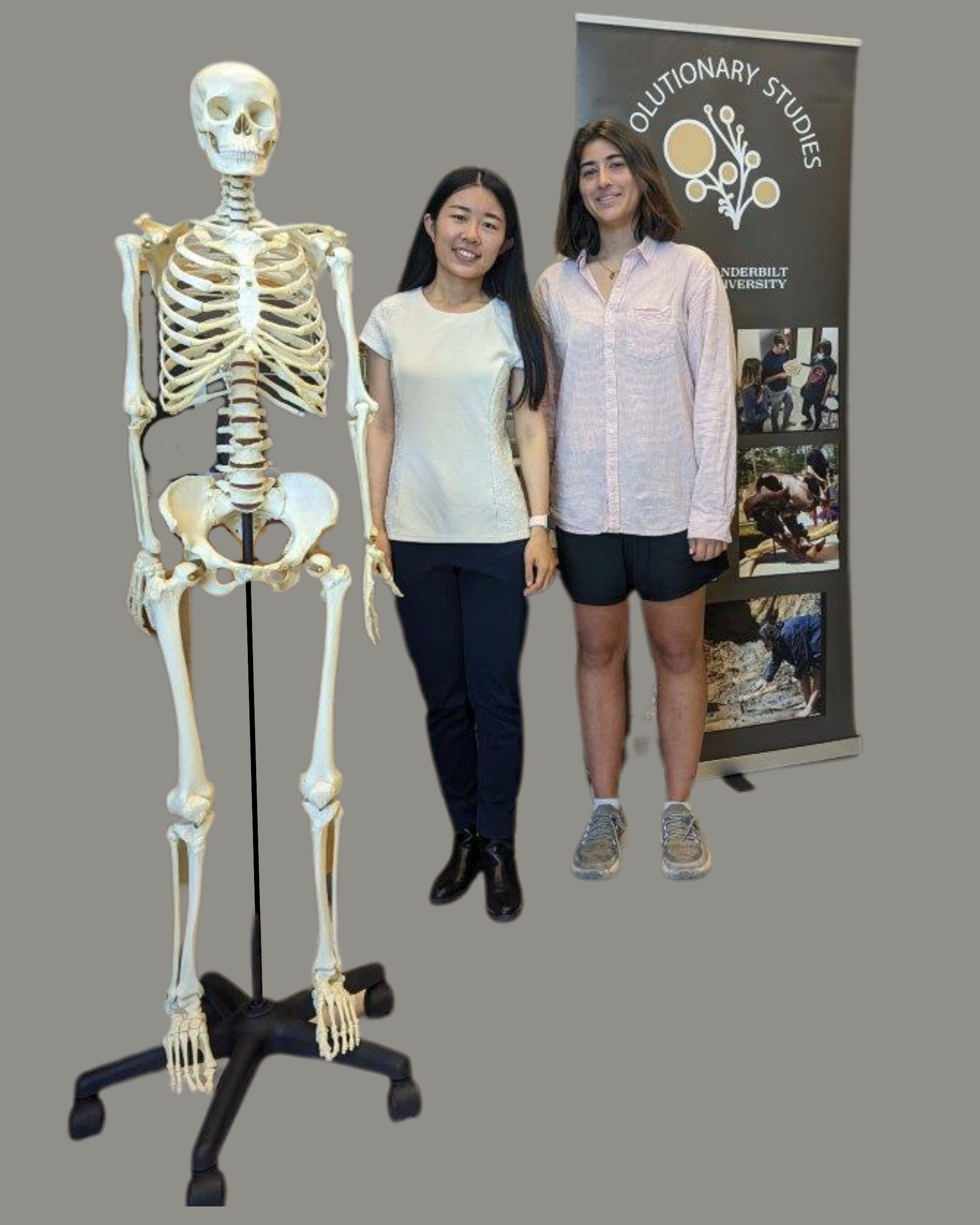
City lights are rewriting the calendar. A new global study from 91黑料网 researchers and Huidong Li shows that artificial light at night is more powerful than temperature in extending urban growing seasons 鈥� keeping trees greener longer, with consequences for carbon cycling, frost risk, and even pollen season.
The study, 鈥�,鈥� published in Nature Cities, analyzed satellite data from 428 cities across the Northern Hemisphere, combining nighttime light measurements, air temperature, and plant greenness to uncover how urban environments shift plant phenology.
鈥淧henology 鈥� the timing of events like spring leaf-out and autumn color change 鈥� is widely recognized as a sensitive indicator of climate change,鈥� said Lin Meng, assistant professor in the Department of Earth and Environmental Sciences. 鈥淏ut our research shows that local urban conditions, like urban heat island effect and artificial light at night, also substantially reshape these responses. has shown how urban warming advances spring phenology and reduces its sensitivity to temperature, and now we鈥檝e demonstrated that city lights can be even more influential than temperature in shifting these seasonal patterns. These shifts affect whether, and to what extent, vegetation cools or warms the climate, as highlighted in .鈥�
Global Data, Local Impact
According to the study, urban vegetation leafs out about twelve days earlier in the spring听and hold onto their leaves about eleven days later in the autumn听than vegetation in nearby rural areas. This means city vegetation stays green for nearly three extra weeks each year 鈥� a shift that can increase carbon sequestration and help cool cities by mitigating the urban heat island effect.
However, longer growing seasons can have downsides: extended greenery increases the likelihood of late-season frost damage, can disrupt plant鈥損ollinator interactions, and may prolong pollen season 鈥� an unwelcome change for allergy sufferers.
Artificial Light: A Key Player
The researchers found that artificial light at night (ALAN) is the strongest driver of these changes, often outweighing temperature 鈥� a surprising finding given the long-standing assumption that warmer air temperatures are the primary factor behind earlier springs and delayed autumns. The study highlights the importance of considering light pollution alongside climate change when predicting how ecosystems will respond to a warming planet.
An International Effort
This research represents one of the most comprehensive global studies of urban plant phenology and its drivers, combining satellites, big data, and a global perspective. It is the result of a collaboration between 91黑料网, Oak Ridge National Laboratory, Northern Arizona University, UCLA, and international partners in Germany and China. The project has received support through 91黑料网鈥檚 Evolutionary Studies Initiative pilot grants, which Meng credits for helping launch this line of research.
Why It Matters for Nashville
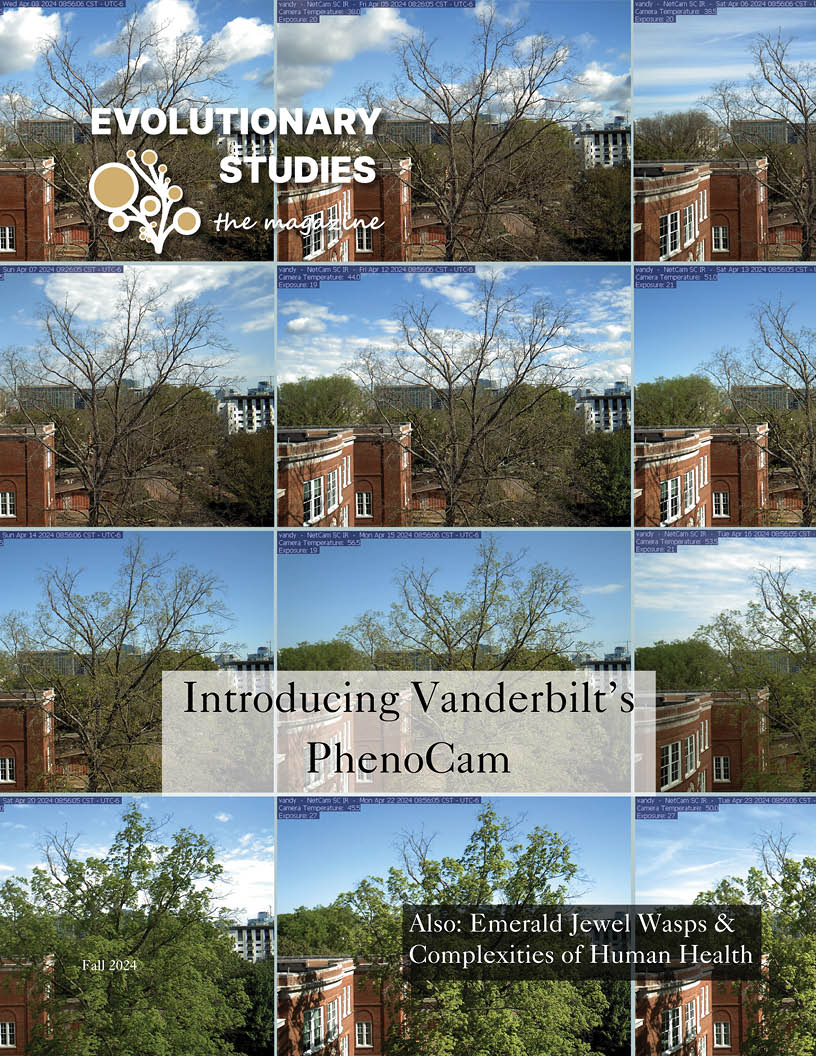
Although the dataset spanned hundreds of cities, the study reports that this phenomenon is visible right here in Nashville. 鈥斕齛 ground-based camera that is part of the global PhenoCam Network 鈥� monitoring tree canopy changes on campus, captures earlier leaf-out and delayed fall color year after year 鈥� a trend mirrored across the globe.
Looking Ahead
The authors conclude that with global urbanization and the rapid transition to bright, energy-efficient LEDs, nighttime light levels are expected to continue increasing. Their findings underscore the need for city planners and researchers to work together on sustainable lighting solutions that balance human needs with the health of urban ecosystems.
Citation: Wang, L., Meng, L., Richardson, A.D. et al.听听Nat Cities听2, 506鈥�517 (2025). https://doi.org/10.1038/s44284-025-00258-2