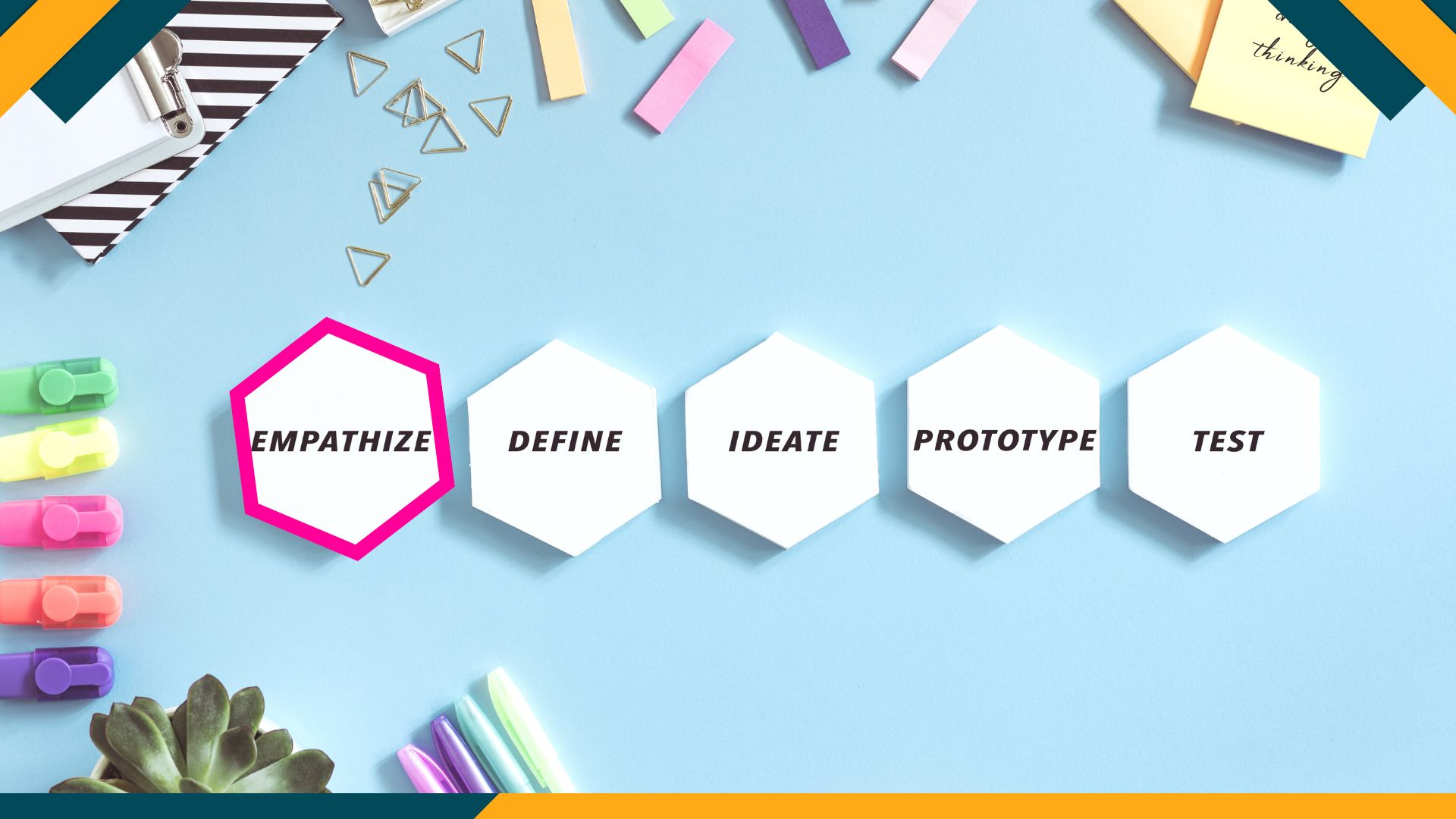
When we teach Design Thinking at the Wond鈥檙y, participants are often surprised to learn that the first phase of the process is empathy. We can see the puzzled looks: Why not start with ideation or problem definition? That confusion turns into genuine perplexity when we explain that empathy, though it seems simple and familiar, is one of the hardest phases to get right. After all, don鈥檛 we all feel we are empathic humans?
The goal of innovation and design is to create positive change in the world. But for that change to matter, it must be adopted鈥搕he stage of empathy must be successfully completed. Whether we鈥檙e designing a new product, process, service, or framework, it only becomes successful when people embrace it. And here鈥檚 the catch: adoption isn鈥檛 driven by the designer鈥檚 enthusiasm, cleverness, or technical skill. Instead, it鈥檚 driven by a user鈥檚 belief that the change will make their world better.
When something makes sense and resonates emotionally, people adopt it. When it doesn鈥檛, they ignore it鈥攐r worse, resist it entirely. Designing something that 鈥渕akes sense鈥� is complicated because human decisions are driven by feelings, emotions, and needs鈥攆actors that vary unpredictably between individuals and contexts. These emotional variables often outweigh even affordability or technical performance.
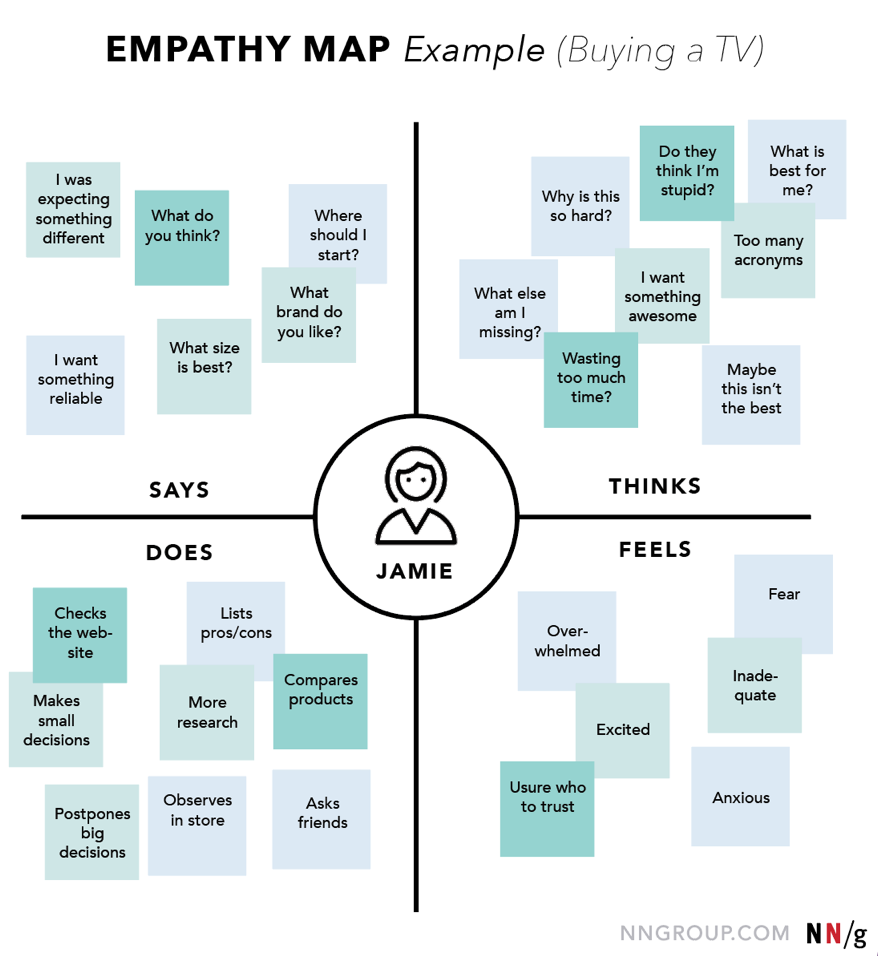
In Emotional Design, Donald Norman argues that our feelings shape what we find desirable or repulsive. He makes a compelling case: if we want to predict whether something will be embraced, we must understand how it makes people feel.
In some situations, recognizing emotions is easy. When someone cries or frowns in frustration, we instinctively recognize those feelings. We鈥檝e experienced similar moments鈥攚hether it鈥檚 the pain of a relationship break or the irritation of a defective product鈥攁nd our familiarity with those emotions allows us to respond with sympathy.
But what happens when the emotions are unfamiliar or we don鈥檛 share the same perspective? Worse yet, what if we disagree with how someone interprets their situation? That鈥檚 where empathy becomes essential in the design thinking process
Empathy is the skill of stepping into someone else鈥檚 world鈥攏ot just seeing their perspective but understanding how they make sense of it and trying to interpret their feelings. It鈥檚 not just knowing how they feel; it鈥檚 understanding why they feel that way.
Sounds simple, right? It鈥檚 not.
True empathy requires more than just seeing another鈥檚 perspective. It involves making a genuine effort to understand how they experience their world and why they feel the way they do. It means putting ourselves in their shoes long enough to design with their needs and emotions in mind.
At the Wond鈥檙y, we teach aspiring innovators how to carry this mindset into every phase of the design process. By doing so, they鈥檙e better equipped to predict how their design decisions will make users feel. This hard-earned empathy is a powerful tool鈥攐ne that can guide designers toward choices that not only make sense but feel right. And when a design resonates emotionally, it stands a far better chance of being embraced, adopted, and, ultimately, making the positive change we set out to create.
听